Most businesses don’t struggle because they lack effort. They struggle because all their effort sits in one place.
One platform changes its algorithm. Leads slow down. Costs rise. Suddenly, everything feels unstable. This usually happens when marketing depends too heavily on a single channel.
A multi-channel marketing approach isn’t about being everywhere. It’s about not putting all your growth in one basket.
Customers Don’t Stick to One Platform
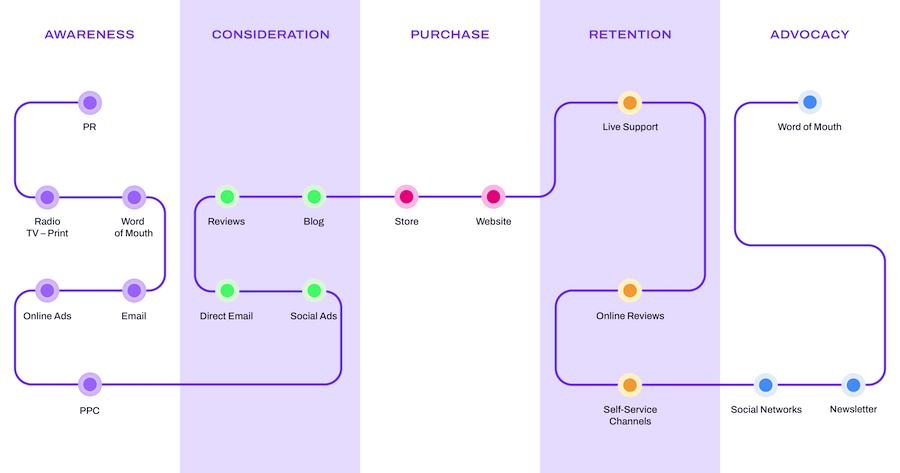
People scroll Instagram in the morning, search on Google during work hours, read emails at night, and watch videos on weekends. Their attention moves constantly.
If your brand exists in only one of those spaces, you’re showing up for just a fraction of the journey. Multi-channel marketing helps you stay visible wherever decisions are forming, not just where clicks happen.
Different Channels Serve Different Purposes
Not every platform is meant to convert.
Search often captures intent. Social media builds familiarity. Email nurtures trust. Video creates connection. Paid ads accelerate action.
When businesses expect one channel to do everything, results feel inconsistent. When channels work together, each one supports the other.
Trust Builds Through Repetition, Not Noise
Seeing a brand once rarely leads to action.
When people encounter your business across multiple touchpoints, it builds familiarity. Familiarity builds comfort. Comfort builds trust.
Multi-channel marketing creates this repetition naturally, without forcing aggressive messaging.
Risk Reduces When Reach Is Diversified
Platforms change. Costs increase. Algorithms shift.
Businesses that rely on one channel feel these changes immediately. Those using multiple channels can absorb impact and adjust without panic.
It’s not just a growth strategy. It’s a stability strategy.
Data Becomes More Meaningful
When you track performance across channels, patterns start to appear.
You begin to understand where customers first discover you, what helps them decide, and what finally pushes them to act. These insights are far more powerful than isolated metrics from a single platform.
Multi-Channel Doesn’t Mean Overcomplicated
This is a common misconception.
You don’t need to be on every platform. You need to be on the right ones, aligned with your audience and goals.
A focused, well-connected presence on three or four channels often outperforms a scattered presence on ten.
Final Thoughts
Multi-channel marketing isn’t about chasing trends. It’s about meeting people where they already are.
Businesses that grow consistently understand one thing: customers move, attention shifts, and marketing needs to move with them.
The brands that succeed aren’t louder. They’re more present.